The Faculty of Agriculture farm at Suez Canal University is preparing to offer its products to the public at competitive prices during the holy month of Ramadan.
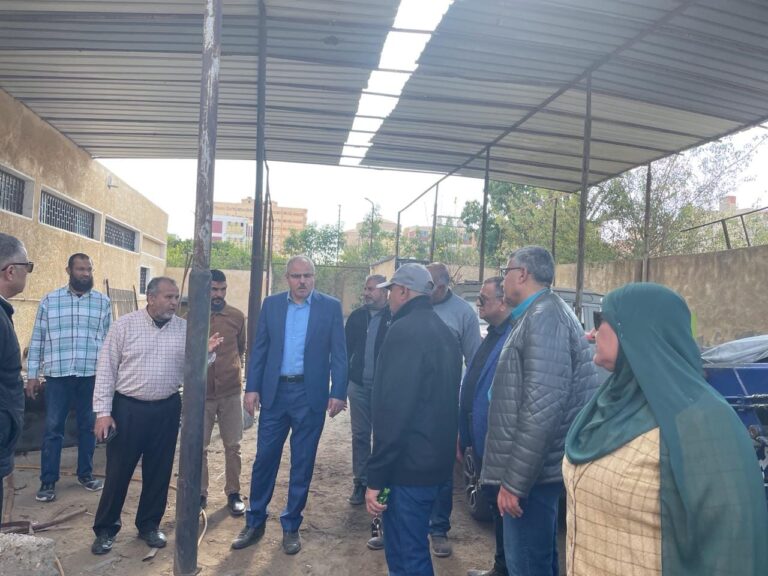
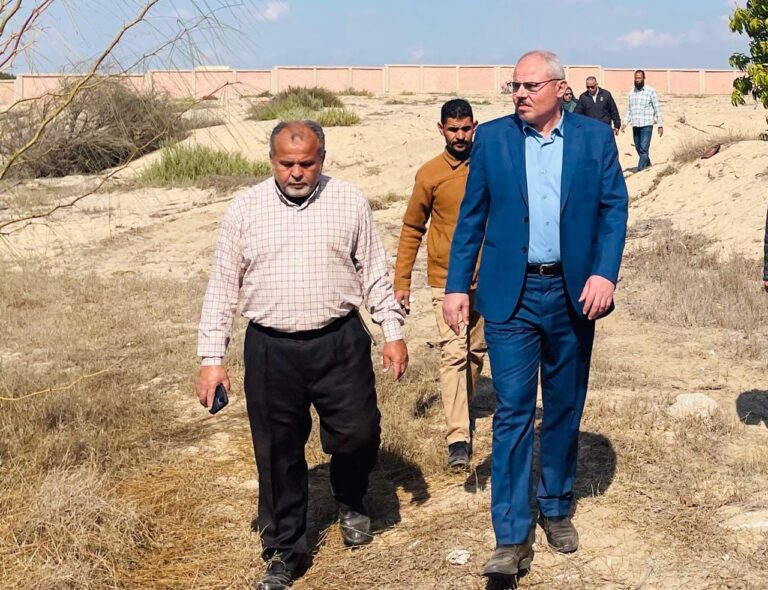
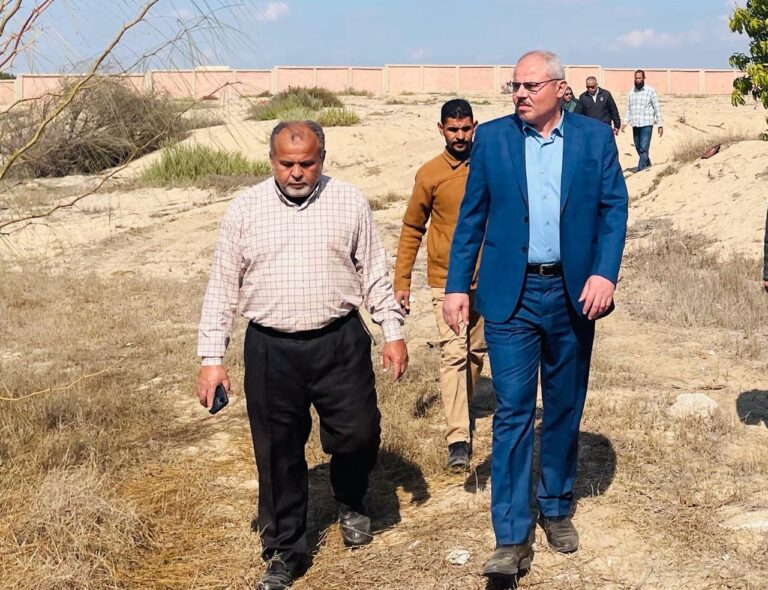
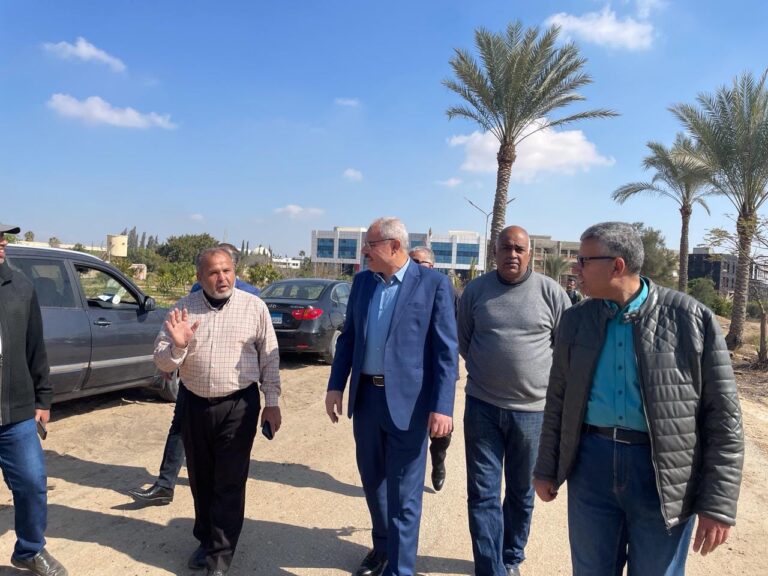
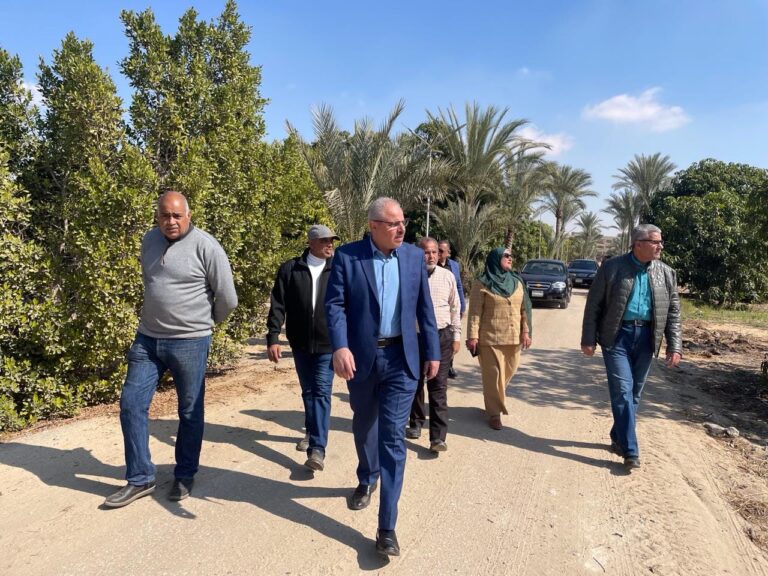
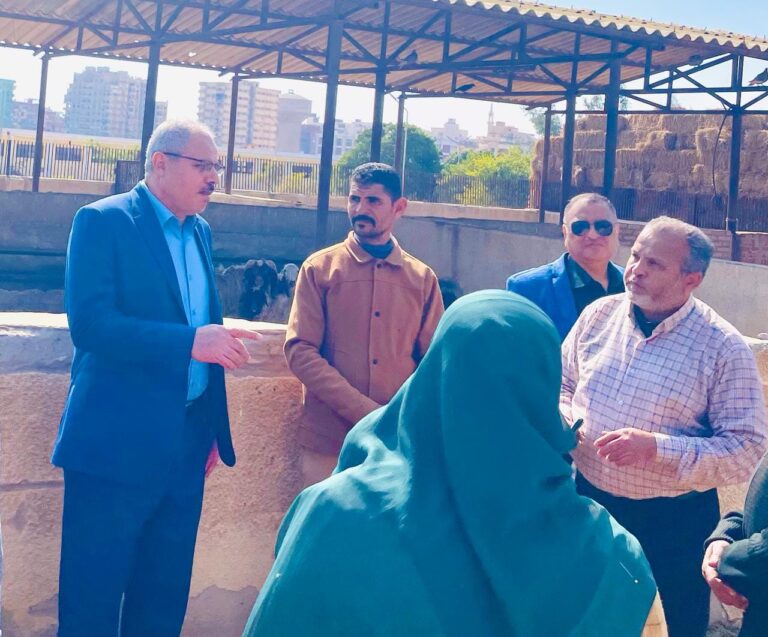
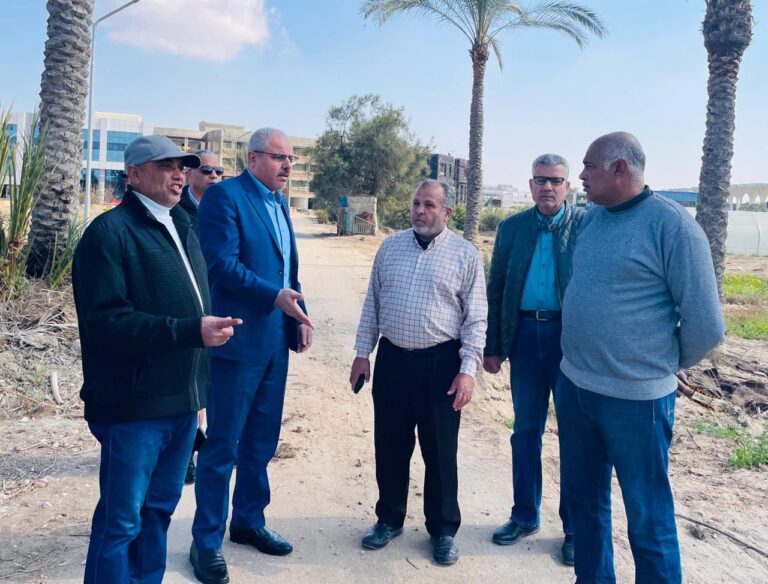
Professor Nasser Saeed Mandour, President of Suez Canal University, inspected the Faculty of Agriculture farm on the morning of Saturday, February 10, accompanied by Dr. Sohair Abu Eisha, Secretary-General of the University.
He was received by Professor Mohamed Ahmed Yass, Dean of the Faculty of Agriculture, and Professor Mohamed Wasfi Mohamed Alwan, Vice Dean for Community Service and Environmental Development Affairs.
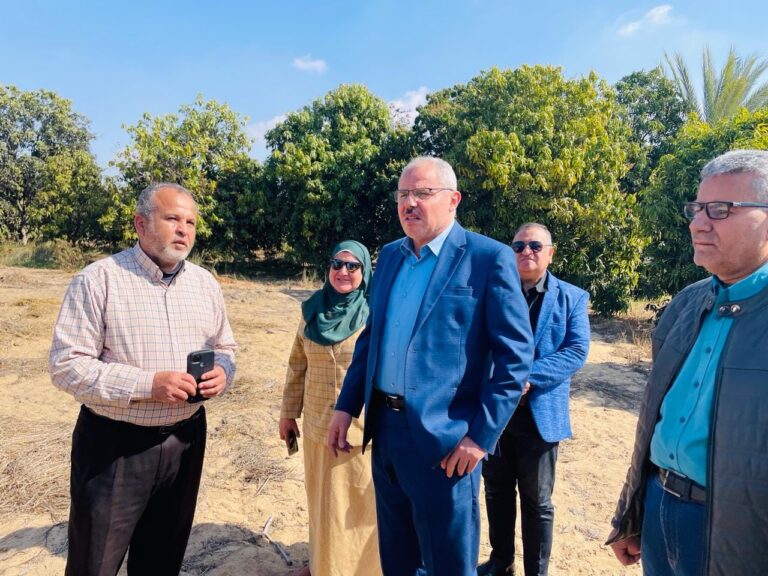
At the beginning of the visit, Professor Nasser Mandour inspected the new building of the Faculty of Computers and Information and observed the mango trees, where the irrigation system had been upgraded from flood irrigation to drip irrigation. He emphasized continuous support for expanding the use of drip irrigation. He also discussed ways to utilize unused land at the farm’s entrance.
Professor Mohamed Yass mentioned that Barhi palm seedlings, donated by Dr. Eid Mohamed Qreish, are being prepared in a company’s nursery for plantation in the unused space to support students scientifically, with the revenue used to assist financially struggling students.
The university president then inspected the areas where grape cultivation, which suffered from low yield due to nematode infestation, had been replaced with sesame and Egyptian clover. He instructed that more unused land be added to the cultivated clover area to be used as animal fodder.
He also toured the five-acre alfalfa fields to check on green fodder crops for large livestock, including Egyptian and Italian buffalo, sheep, and goats. Additionally, he inspected wheat cultivation, praising the experimental planting of Ismailia 1 wheat, which has some resistance to water and soil salinity.
He observed the cleaned concrete irrigation canal and the removal of invasive casuarina shrubs, which increased the cultivated area from three to over six acres. He directed the rapid restoration and cultivation of this land and ordered the removal of remaining wood roots using university vehicles.
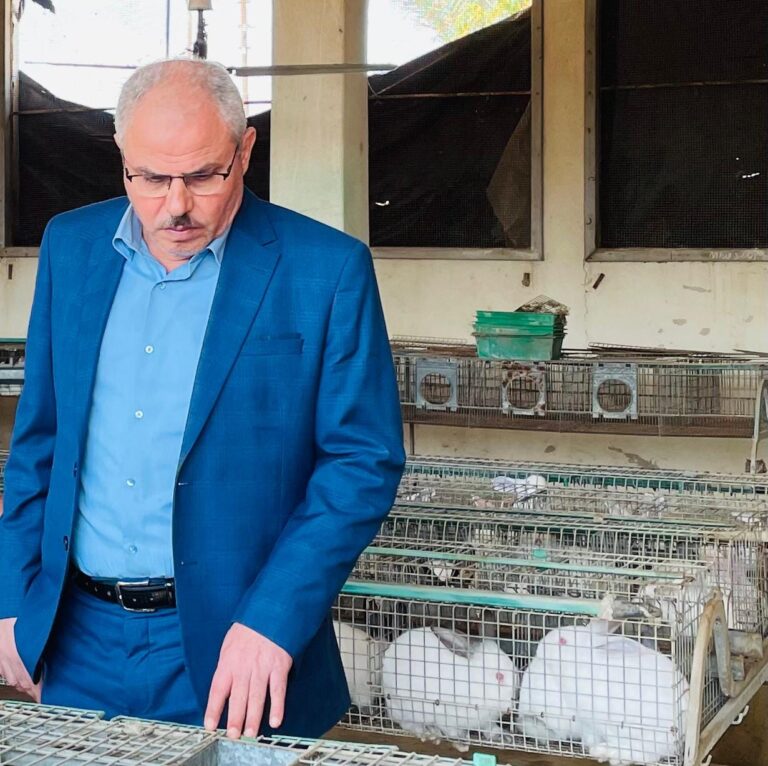
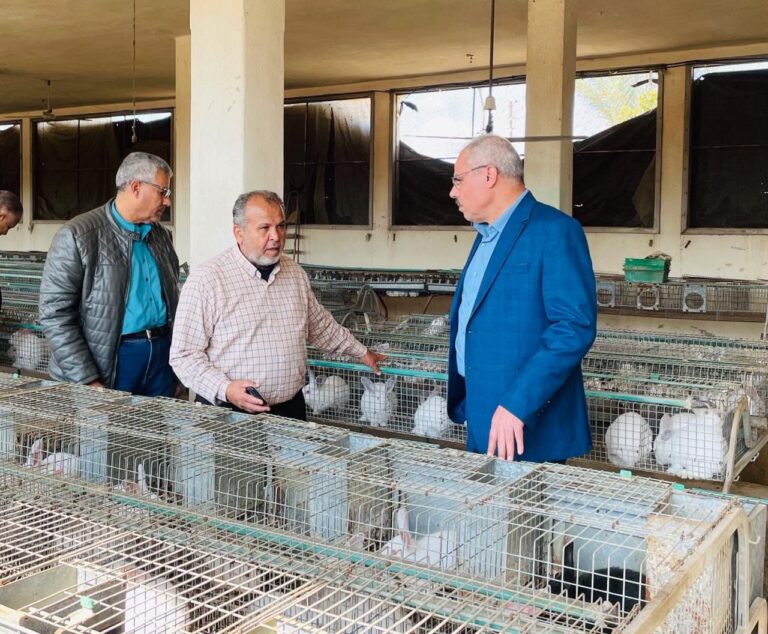
During his visit to the rabbit farm, he noted improvements in breeding, with numbers exceeding 500 rabbits, some used for research and others sold as breeding stock or meat.
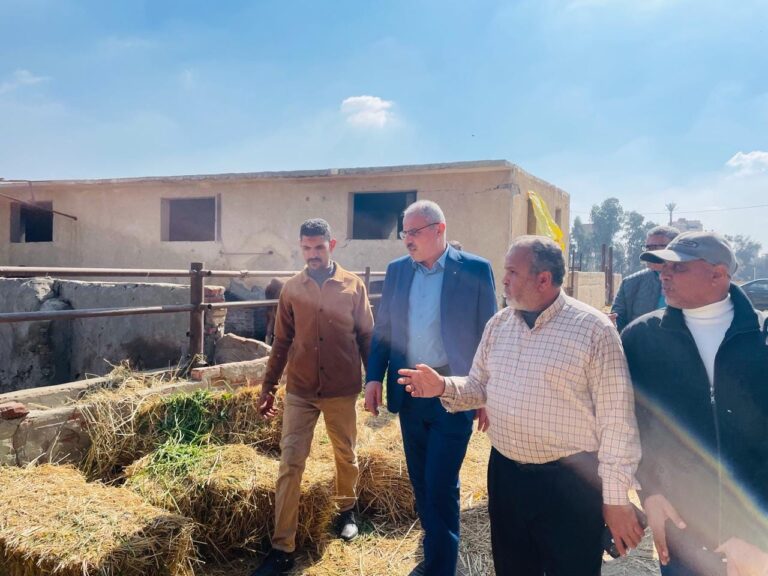
In the buffalo and sheep barns, the Vice Dean explained the increase in buffalo numbers from five to thirty, including Italian buffalo, to enhance meat and dairy production. Professor Mandour recommended improving and cleaning the milking facility and ensuring that sacrificial animals from university livestock were made available to the public as part of the Faculty of Agriculture’s collaboration with the Faculty of Veterinary Medicine.
He then toured the tangerine orchards and praised the land’s preparation and tree maintenance for high-quality yield in the coming season.
Next, he visited the strawberry fields, which also had pea and garlic crops, emphasizing the use of organic fertilizers from animal waste and reducing chemical fertilizers.
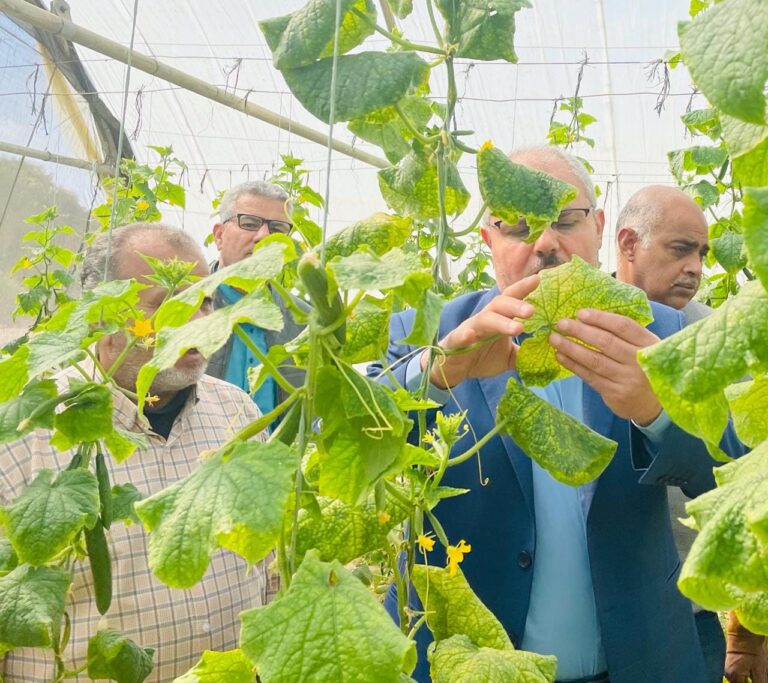
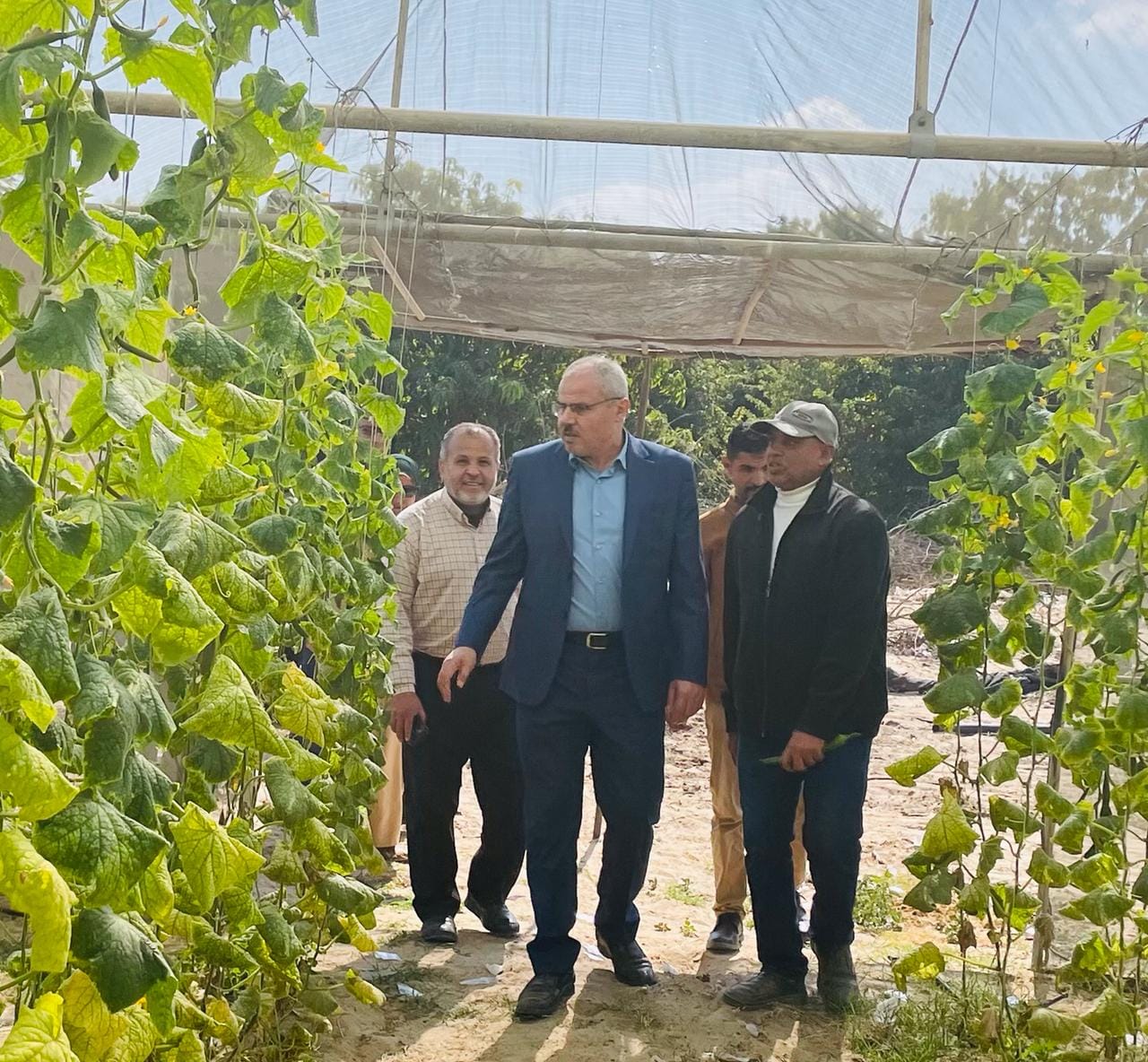
At the greenhouse section, he praised the quality of cucumber and pepper crops, stressing the importance of selling them at competitive prices while minimizing chemical fertilizers and pesticides to produce safe and healthy food for the university and Ismailia residents.
He then inspected guava fields, advising pest control measures, and visited livestock beet crops and foreign mango seedlings, which serve as educational models for students.
Professor Mandour also inspected the farm equipment section, instructing maintenance of some tractors for land plowing and preparation.
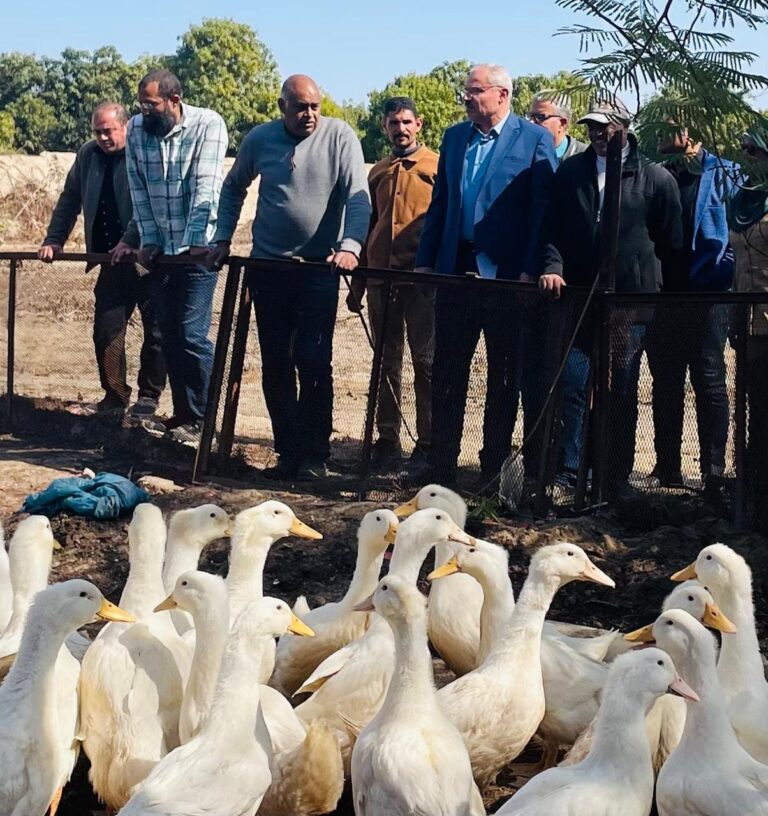
His two-hour visit concluded with a tour of the duck barns, where he directed that ducks be made available to the public starting in Ramadan. He also noted the start of a new chicken fattening cycle for sale during Ramadan.
The Vice Dean explained that the new fattening cycle begins on Sunday to meet public demand from the first to the last week of Ramadan.
At the end of the visit, the university president thanked Eng. Tarek El-Fanjari, Director of the Faculty Farms Unit, and the farm workers, urging them to double their efforts to transform the farm into a model that serves education, research, and the community.